Speaking about the project, Megan Ryan, Clinical Specialist Speech & Language Therapist, said: “Communication changes can be one of the most distressing aspects of dementia for both patients and their families. These resources were created to give people accessible, practical strategies they can use straight away. With the support of the Adelaide Health Foundation and the invaluable feedback from patients and caregivers, we have developed tools that can improve understanding, reduce frustration, and help people stay connected with those who matter most.”
The resources are designed to help patients better interpret communication cues, express themselves more effectively, and engage more confidently in conversations. Improved communication is closely linked with enhanced emotional well-being, reduced frustration, and greater social participation. For families and caregivers, the resources offer guidance on how to adapt communication approaches, creating a more supportive and empathetic environment. As online resources, they are also valuable tools for those working in healthcare, supporting continuous learning and reflective practice. As a teaching hospital, providing accessible, evidence‑based educational materials is central to our mission and to the development of future healthcare professionals.
Commenting on their support for the initiative, Niamh Gavin, CEO of the Adelaide Health Foundation, said:“We are proud to support innovative projects that improve patient experience and remove barriers to care. These digital resources demonstrate how thoughtful, evidence‑based tools can make a meaningful difference to patients, families, and healthcare professionals alike.”
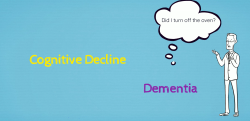
You can watch the short films on YouTube by clicking the links below:Understanding Language Led Syndromes - Resource #1
https://youtu.be/4YB9FCrbHl4?si=ejhu8vawcmPuA0s3
Supporting Communication for Language Led Syndromes - Resource #2
https://youtu.be/Sqg0sY3khIs?si=6Ng7eg5Rdx4KQ_ob