
Tallaght University Hospital

Pastoral Care at TUH
The Pastoral Care Department at Tallaght University Hospital seeks to meet the needs of people in all their diversity as an essential part of the delivery of care in the Hospital. We understand that healing involves the whole person – body, mind and spirit. For this reason, our Pastoral Care Department offers support to patients, their loved ones and our staff. Our healthcare chaplains offer spiritual and religious care. Through gentle presence and prayerful encounter, we celebrate your hopes and joys, join in calming your fears and anxieties during your hospital stay, and search with you for deeper meaning during life’s difficult moments. You can learn more about our services through this short video.
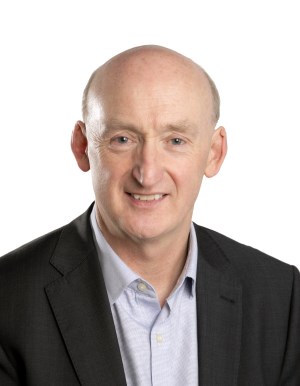 Director of Pastoral Care: John Kelly Tel: 01 414 2482 Email: john.kelly@tuh.ie |
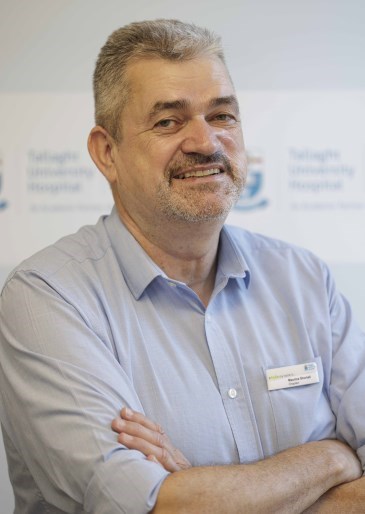 Maurice Shorthall |
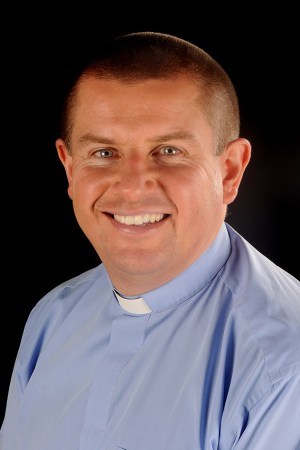 Mark Proctor Tel. 01 414 2255 |
|
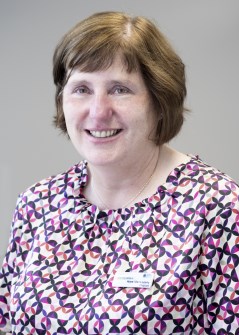 Anne Marie Leahy |
|
Gabriele Ogunjobi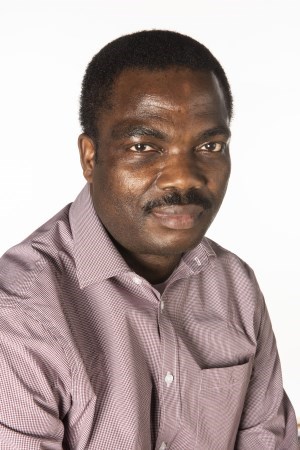 |
|
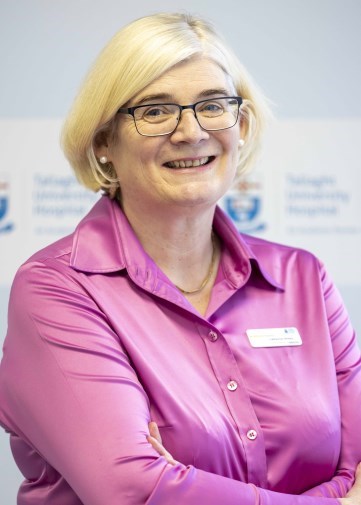 Catherine Hickey |
|
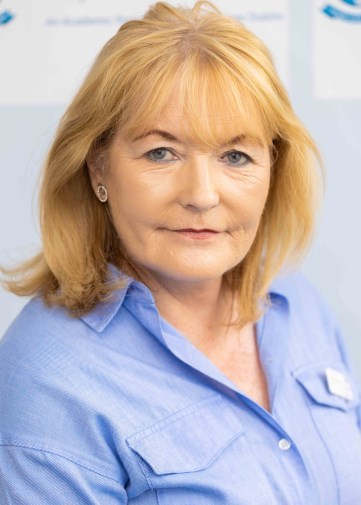 Anita Doyle
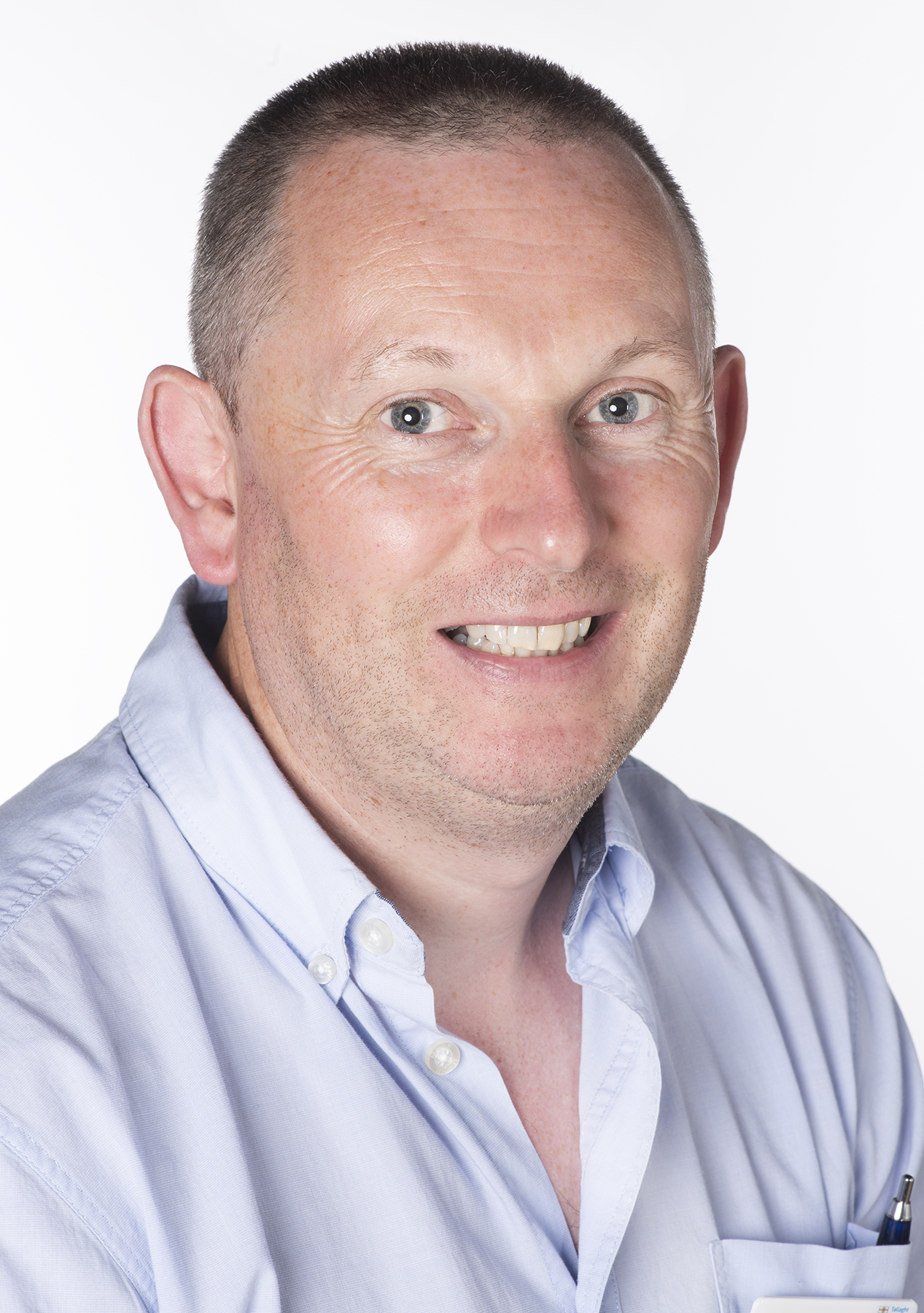 Manus Ferry
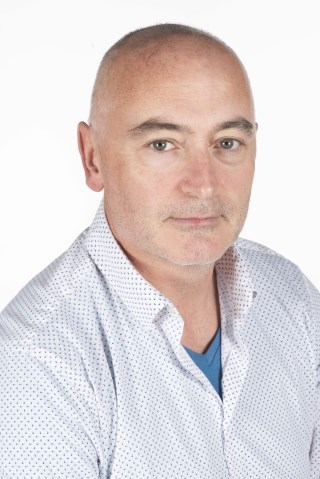 Mr. Patrick Ryan
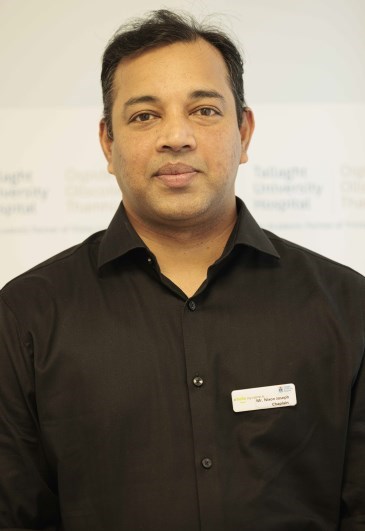 Nixon Joseph
Volunteer Opportunities
Our volunteers provide support through the volunteering of Eucharistic Ministers and Pastoral Visitors, we also provide training for Healthcare Chaplaincy. If you are interested in volunteering with our Pastoral Care Team please contact the Director of Pastoral Care: |
Multi-Faith
We can liaise with leaders of Jewish, Islamic, Buddhist, Hindu, and other faiths or philosophies at your request. Muslim Prayer (in Contemplation Room) |
Healing Scenes Scriptures
‘Girl Restored to Life and a Woman Healed’
‘Jesus Heals the Gerasene Demoniac’
‘A Blind Beggar recognises the Son of David’
'Jesus Cleanses a Leper'
|
Chapel Services
Monday – Friday 1:30pm Mass Roman Catholic Ministers of the Eucharist visit the wards: Contemplation Room |
Hospital Chapel
The Chapel is located on the ground floor, and is open all day, for quiet reflection. An Induction Loop (PIC) system is in operation. The Chapel
Both windows were designed and executed by James Scanlon of Cork. The designing and furnishing of this chapel was inspired by the belief that in a place of healing and wholeness such as a hospital, the place of Christian worship should be suitable for use by all those who call on the name of the God and Father of Our Lord Jesus Christ.
The THEOTOKOS, which means God Bearer, was made possible by a gift from the Central Council of the Federated Dublin Voluntary Hospitals. It was designed and executed by Anna Duncan of Dublin. The word ‘Theotokos’ literally means ‘the one who gives birth to God’. The title was officially given to Mary at the Council of Ephesus in 431AD. This Council was called to establish, as orthodox, the belief that Jesus was truly God incarnate, i.e. fully God and fully man. This concept was being vigorously challenged at the time. The title ‘Theotokos’ could rightly be given to Mary because according to the Scriptures He who was conceived of her by the Holy Spirit was called the Son of God. According to St. Cyril of Alexandria ‘to confess our faith in orthodox fashion… it is enough to confess that the Holy Virgin is Theotokos.’ St. John Damascene wrote ‘This name – Theotokos – contains the whole mystery of the incarnation.’ Much later Martin Luther could write ‘Without doubt Mary is the mother of God…and in this word is contained every honour which can be given to her.’ To say that Mary was the Birth-Giver of God is to confess a stunning mystery. It witnesses to a moment when the Creator of all things awoke to the softness of human touch, the sweetness of a human smile and the sound of a gentle voice. It means that God lifted his face to the morning dawn, smelled the spring blossoms and lived among the poor, the homeless and the hungry. It means that God has shared all of life, its joys and tears, light and darkness, happiness and pain. By an extraordinary exchange, the Divine was born of the stardust He created, became a son of the human race and made us in turn daughters and sons of God. The Theotokos in the hospital chapel is a reminder of God’s partnership with us in suffering as in health. |
How We Can Help
The members of the ecumenical Pastoral Care Team are trained healthcare chaplains from four main Christian traditions. Each Chaplain serves as a member of the healing team working with all those who care for you. For further information on Pastoral Care at TUH please click here. |
 Now when Jesus returned, the crowd welcomed him, for they were all waiting for him. Just then there came a man named Jairus, a leader of the synagogue. He fell at Jesus’ feet and begged him to come to his house, for he had an only daughter, about twelve years old, who was dying.
 Then they arrived at the country of the Gerasenes, which is opposite Galilee. As he stepped out on land, a man of the city who had demons met him.
 As he approached Jericho, a blind man was sitting by the roadside begging. When he heard a crowd going by, he asked what was happening. They told him, “Jesus of Nazareth is passing by.”
 Once, when he was in one of the cities, there was a man with leprosy. When he saw Jesus, he bowed with his face to the ground and begged him, “Lord, if you choose, you can make me clean.” Then Jesus stretched out his hand, touched him, and said, “I do choose. Be made clean.” Immediately the leprosy left him. And he ordered him to tell no one.
 The stained glass window on the left hand side was made possible by a gift from the Meath Foundation and the Meath Past Nurses. It represents HEALING: Hope, New Life and Resurrection.
 The window on the right hand side was made possible by a gift from the Board of the Hospital. It represents STRUGGLE: Suffering and Pain.

 Healing involves caring for you as a whole person and meeting your needs not just on the physical level, but also on the spiritual and religious levels. With this in mind, the hospital offers you the services of the Pastoral Care Team. We aim to help people of all faiths and none.